Misaligned metrics
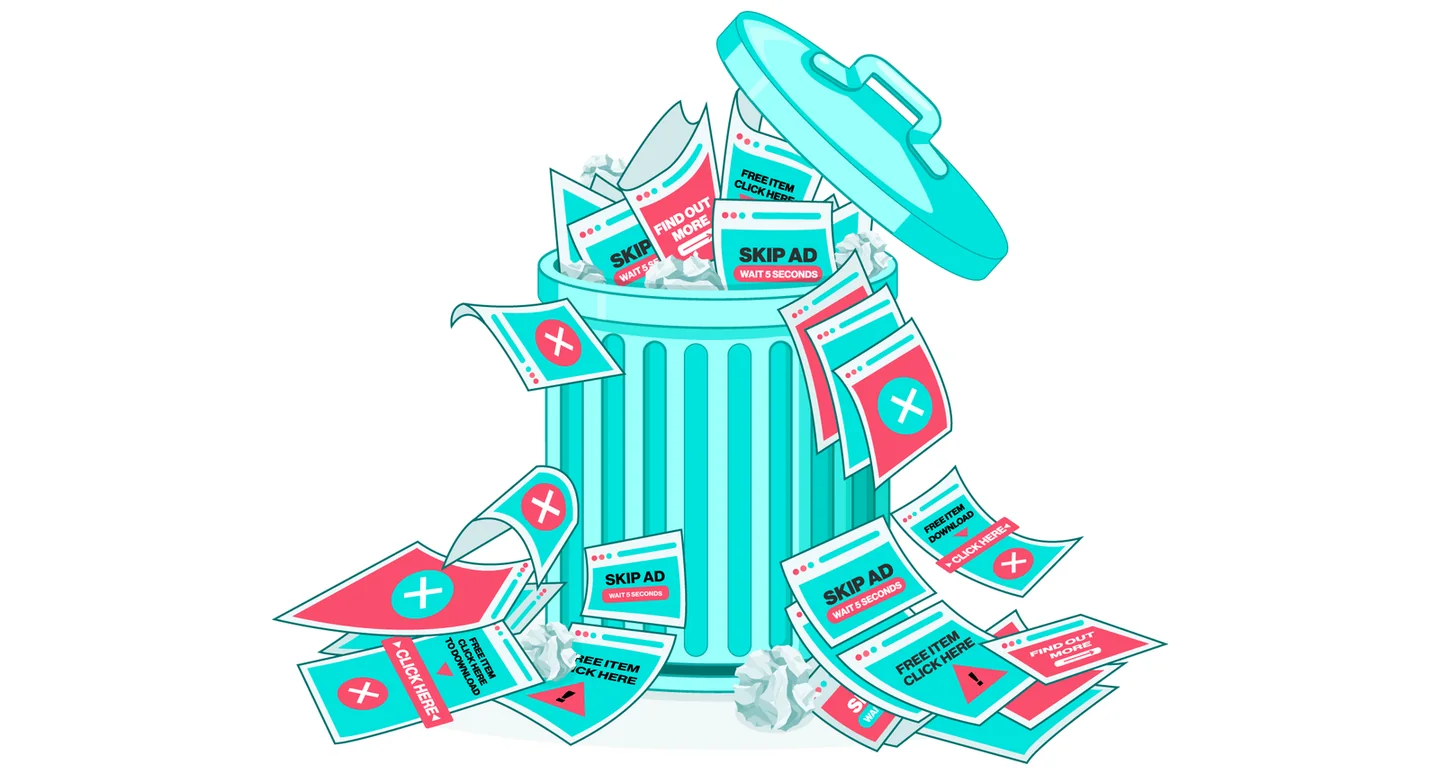
Vanity metrics like viewability and CTR are cheap to track, so brands lean on them, buyers are held to them, and publishers chase them — normalising intrusive, click-focused ad experiences that erode trust.
Picnic's first annual report on how quality is defined and measured across the open web — the challenges fuelling ad waste, the PIQ methodology, and the UK's ten highest-quality domains.
Two quick details and we'll open the report in a new tab.
We use your details to send related Picnic content. Unsubscribe anytime.
The industry has struggled with these for over a decade. Together, they push nearly a quarter of programmatic spend into waste.
Vanity metrics like viewability and CTR are cheap to track, so brands lean on them, buyers are held to them, and publishers chase them — normalising intrusive, click-focused ad experiences that erode trust.
Made-for-advertising sites slip through broad ad buys with poor content and excessive placements. Blunt block lists give a false sense of safety — and MFA operators cycle through domain names in days.
Every buyer balances cost, quality and scale differently — but nobody admits the trade-off. Opaque, one-size-fits-all decisions stop buyers from ever reaching their own optimal blend.
PIQ breaks quality into 100+ signals, grouped into three indexes — Experience, Media Opportunity and Risk Profile — and combines them into a single score from 1–100. Picnic's threshold for quality is 30.
The Media Quality Report shows how the industry lost its grip on quality — and how PIQ takes the subjectivity out of it, so your programmatic spend finally drives real outcomes.
Download the report